A Look To The Future -
Commercialisation Opportunities
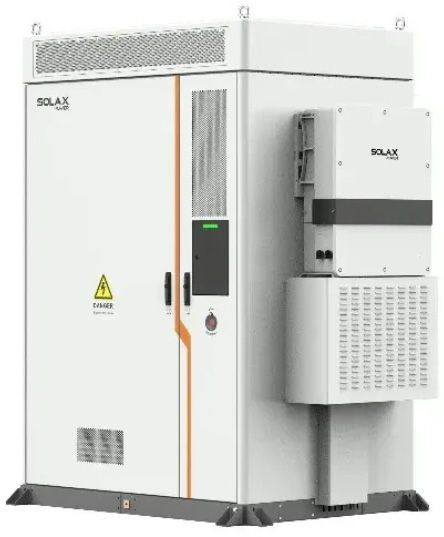
Social Housing Communal Battery. 1 MW communal battery for 250 Karbon Homes tenants
1 MW communal battery for 250 Karbon Homes tenants
Proposal
We propose a 1 MW communal battery serving 250 social housing units. The battery will be charged by tenants’ surplus rooftop solar generation, tracked and credited using the Kings College London-developed PSMM platform to ensure transparency and fairness.
Market Integration
The battery will be optimised by an aggregator under Ofgem’s P415 rules, enabling full participation in flexibility markets, the Balancing Mechanism, and ancillary services. This ensures the asset delivers its maximum financial and social value.
Community Impact
This model directly reduces fuel poverty, empowers households to benefit from their own solar generation, and creates a recurring income for Karbon Homes. It also strengthens grid resilience while demonstrating how social housing can become a driver of energy equity.


Partnership with Aggregators
Unlocking Grid Revenue and Tenant Benefits with P415-Enabled Communal Storage
The UK’s P415 code change unlocks the full potential of community-scale batteries by allowing aggregation, flexible metering, and participation in the Balancing Mechanism, enabling assets like a 1 MW communal social housing battery to stack revenue from peak shaving, load shifting, and ancillary services.
Combined with our Kings College PSMM platform, tenants’ surplus solar contributions can be tracked and remunerated, while an aggregator optimises battery dispatch to maximise returns. This creates a win-win model: residents benefit from bill reductions or direct payments, housing providers generate new ESG-aligned income streams, and the grid gains flexible, clean resources, all aligned with Net Zero and energy equity goals.
Revenue Potential
With 250 homes averaging 2 kWp of solar, around 125,000 kWh of surplus generation per year can be captured. This equates to:
-
£22,500 in peak shaving and avoided energy costs
-
£125,000 from grid balancing services
-
£7,500 from ancillary services£155,000 total annual revenue
-
£1,550,000 10-year accumulative revenue
-
£350,000 Capital Outlay
-
£1,200,000 Net savings
Value Distribution
Revenues are shared fairly:
Tenants (50%): £240 per household per year via bill reductions or payments
Karbon Homes (40%): £48,000 annual income stream Aggregator (10%): Market operation & optimisation fee


I&C Peer 2 Peer
Demonstrating Peer-to-Peer Energy Trading for Industrial and Commercial Estates
A trial of peer-to-peer (P2P) energy trading offers a practical pathway to reduce energy costs, optimise local energy use, and generate new revenue streams. Using distributed solar and battery storage, businesses could directly trade surplus energy with neighbouring tenants, unlocking local value while supporting grid stability.
Proposal
In a set-up trial, each participating building would have:
-
50 kW rooftop solar PV
-
200 kWh battery storage system
The trial would demonstrate:
-
Real-time tracking of energy flows via our PSMM platform, enabling accurate accounting of energy supplied and consumed between participating businesses.
-
Optimised dispatch of battery storage, reducing peak grid draw and storing surplus solar for later use or trading.
-
Automated settlements so each business is credited for energy contributed, either as cash revenue or offset on their electricity bill.
The PSMM would aggregate the assets and calculate fair remuneration, ensuring transparency, incentivising participation, and providing data for potential commercial scaling.